

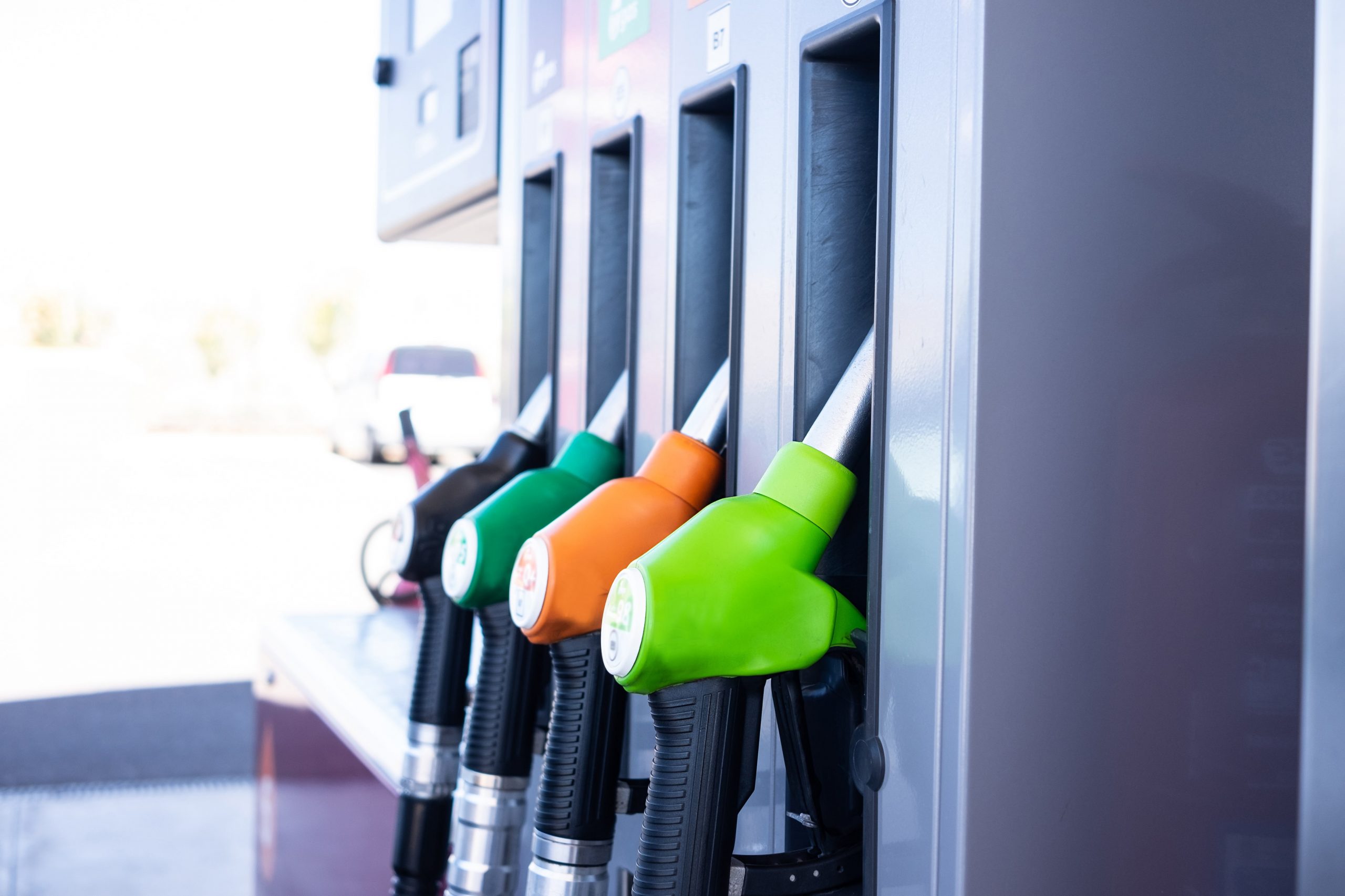
Starting a gas station business can be a highly profitable venture, especially in areas with consistent vehicle traffic and growing transportation demand. Fuel is a daily necessity for millions of drivers, which makes gas stations a stable and essential part of the economy. However, while the demand is steady, the business itself requires careful planning, significant investment, and strict compliance with regulations.
A gas station is more than just a place to sell fuel. Many successful stations combine fuel sales with convenience stores, food services, and additional amenities to increase revenue. This diversification helps maximize profits and attract a broader customer base. Understanding how to structure your business from the beginning can greatly improve your chances of long-term success.
This guide explains how to start a gas station business, covering key steps such as planning, location selection, licensing, and daily operations to help you build a sustainable and profitable enterprise.
Understanding the Gas Station Business Model
A gas station business operates by selling fuel to customers, typically sourced from suppliers or distributors. Profit margins on fuel alone are often relatively small, which is why many gas stations rely on additional services to increase overall income. These may include convenience stores, car wash services, and food or beverage offerings.
The success of a gas station depends on volume and efficiency. High traffic locations with consistent demand can generate steady sales, even if individual margins are modest. This makes location and accessibility critical factors in determining profitability. In addition, managing operational costs such as fuel supply, staffing, and maintenance plays a key role in sustaining the business.
Understanding how revenue streams work within a gas station is essential before starting. By combining fuel sales with complementary services, you can create a more resilient and profitable business model that adapts to changing market conditions.
Conducting Market Research and Feasibility Study
Before investing in a gas station, conducting thorough market research is essential. This involves analyzing the demand for fuel in your chosen area, identifying competitors, and understanding customer behavior. Locations with heavy traffic, such as highways or busy urban roads, typically offer better opportunities for consistent sales.
A feasibility study helps determine whether the business is financially viable. This includes estimating startup costs, operating expenses, and expected revenue. It also involves assessing potential risks, such as fluctuations in fuel prices or changes in local regulations. By evaluating these factors, you can make informed decisions and reduce uncertainty.
Market research also helps you identify opportunities for differentiation. For example, offering better service, cleaner facilities, or additional amenities can give your gas station a competitive edge. Proper planning at this stage increases your chances of success and minimizes costly mistakes.
Choosing the Right Location
Location is one of the most important factors in the success of a gas station business. A well-chosen site can attract a steady flow of customers, while a poor location may struggle to generate sufficient traffic. Ideal locations are those with high visibility, easy access, and consistent vehicle flow.
Proximity to major roads, highways, or commercial areas can significantly impact customer volume. It is also important to consider the presence of competitors in the area. While some competition can indicate demand, too many nearby stations may reduce profitability.
In addition to traffic, the size and layout of the location should support efficient operations. Adequate space for fuel pumps, parking, and additional services is essential. In Business and Finance, selecting the right location is often the deciding factor between a successful gas station and one that struggles to survive.
Legal Requirements and Licensing
Starting a gas station requires compliance with various legal and regulatory requirements. These include business registration, environmental permits, and safety certifications. Because fuel is a hazardous material, strict regulations are in place to ensure safe storage and handling.
Obtaining the necessary licenses involves working with local authorities and meeting specific standards. This may include inspections, documentation, and adherence to environmental guidelines. Ensuring compliance not only protects your business but also builds trust with customers and the community.
Legal requirements can vary depending on location, so it is important to research and understand the regulations in your area. Taking the time to complete all necessary steps ensures that your business operates smoothly and avoids potential legal issues.
Investment and Startup Costs
Starting a gas station requires a significant initial investment. Costs may include purchasing or leasing land, constructing facilities, installing fuel tanks and pumps, and setting up additional services such as a convenience store. These expenses can vary widely depending on the size and location of the business.
In addition to setup costs, you will need working capital to cover ongoing expenses such as fuel supply, staff salaries, and maintenance. Proper financial planning is essential to ensure that your business remains stable during the initial stages.
Securing funding may involve personal savings, loans, or partnerships. A detailed business plan can help attract investors or lenders by demonstrating the potential profitability of your venture. Careful budgeting and financial management are key to long-term success.
Setting Up Operations and Services
Once the business is established, setting up efficient operations is crucial. This includes managing fuel supply, maintaining equipment, and ensuring that all systems function smoothly. Regular maintenance of pumps and storage tanks is essential for safety and reliability.
Adding complementary services can significantly increase revenue. Convenience stores, food outlets, and car wash services attract additional customers and encourage higher spending. These services also provide income streams that are not dependent on fuel sales alone.
Staffing is another important aspect of operations. Hiring trained and reliable employees ensures good customer service and smooth daily activities. Efficient operations create a positive customer experience, which helps build loyalty and repeat business.
Marketing and Customer Experience
Marketing plays an important role in attracting and retaining customers. Simple strategies such as clear signage, competitive pricing, and promotions can increase visibility and draw in more customers. Maintaining a clean and well-organized facility also creates a positive impression.
Customer experience is a key factor in building long-term success. Friendly service, quick transactions, and well-maintained facilities encourage repeat visits. Offering additional conveniences, such as clean restrooms and easy payment options, can further enhance customer satisfaction.
Building a strong reputation in the community can lead to consistent business growth. Word-of-mouth recommendations and positive customer experiences are powerful tools for expanding your customer base.
Managing Risks and Challenges
Like any business, gas stations face various risks and challenges. Fluctuations in fuel prices can affect profit margins, while operational costs may increase over time. Understanding these risks and planning for them is essential for maintaining stability.
Environmental and safety concerns are also important considerations. Proper handling and storage of fuel are necessary to prevent accidents and comply with regulations. Regular inspections and maintenance help reduce potential risks.
Adapting to changes in the market, such as shifts in energy demand or customer preferences, is also important. Staying informed and flexible allows you to adjust your business strategy and remain competitive.
Conclusion
Starting a gas station business requires careful planning, significant investment, and a strong understanding of operations. From selecting the right location and meeting legal requirements to managing daily activities and customer experience, each step plays a critical role in building a successful enterprise.
While the business can be demanding, it also offers long-term stability due to the consistent demand for fuel and related services. By combining efficient operations with strategic planning and customer-focused service, you can create a profitable and sustainable gas station business.