

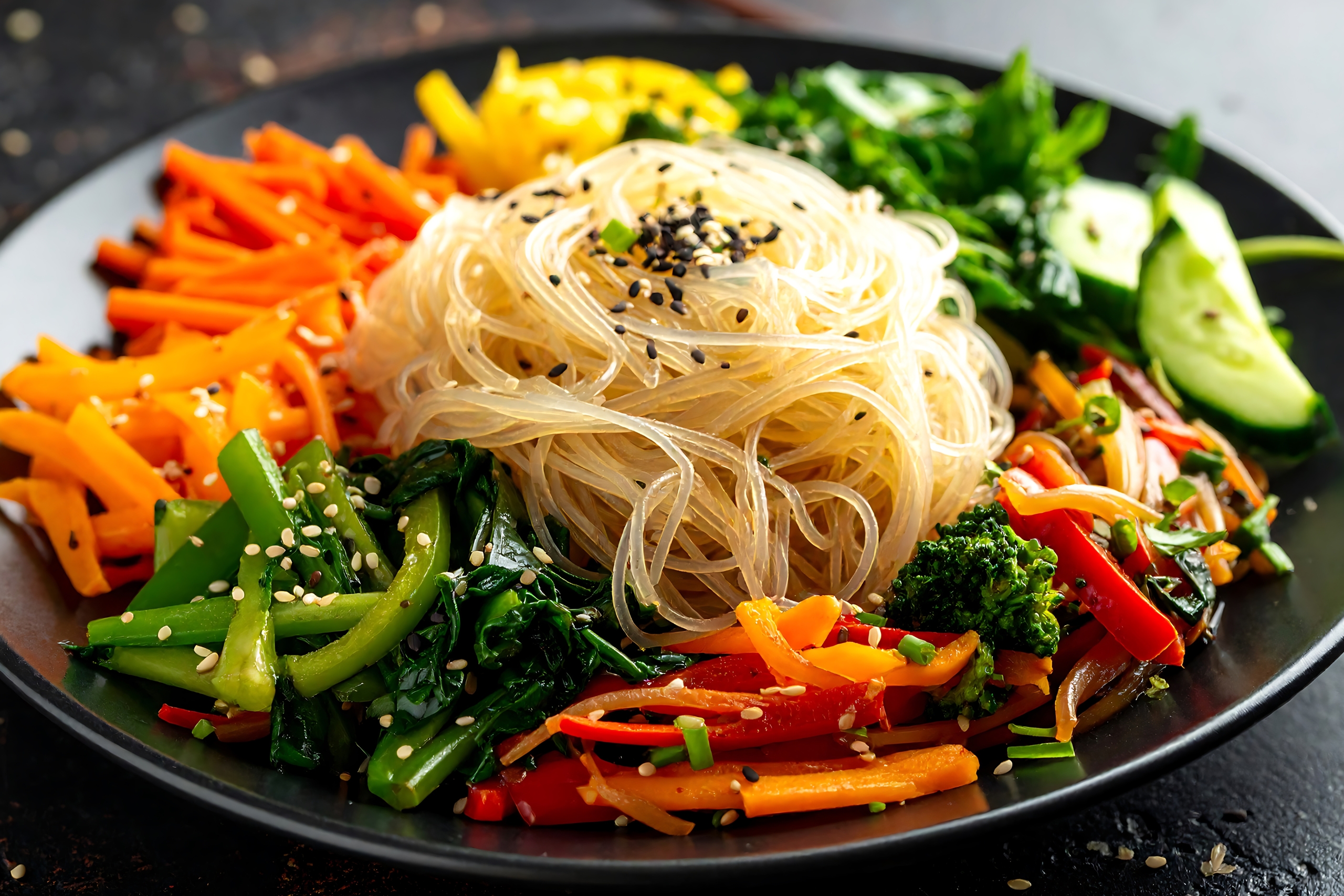
Asia is the most food-diverse continent on the planet — a region whose culinary traditions span the full spectrum from the richest, most indulgent, most gloriously excessive feasting cultures available anywhere in the world to some of the lightest, the most nutritionally intelligent, and the most genuinely health-supportive food traditions that any civilization has ever developed in the long and extraordinary history of the human relationship with food. The health-conscious traveler whose relationship with eating combines the genuine love of the culinary experience with the specific care for the body’s nutritional needs, the digestive comfort, and the sustained energy whose maintenance across the full active travel day most directly determines the quality of the experience beyond the table is the traveler for whom Asia is not the challenge that the fried street food image most commonly and most inaccurately suggests — it is the paradise whose specific abundance of the steamed, the grilled, the fresh, the fermented, the vegetable-forward, and the ocean-sourced food traditions creates the most complete and the most genuinely health-supportive culinary travel experience available in any region of the world. The light eater in Asia is not the person who is missing out on the culture — they are the person who is accessing some of the most sophisticated, the most historically refined, and the most nutritionally considered food traditions available in the entire global culinary landscape, from the Japanese culinary philosophy of the seasonal ingredient treated with the maximum restraint to showcase its intrinsic quality through the Vietnamese approach to the fresh herb and the rice paper whose specific lightness and whose specific flavor complexity creates the most satisfying low-calorie eating experience available in any street food culture to the Indonesian approach to the grilled fish and the fresh sambal whose simple, ingredient-driven preparation is the most direct available expression of the health-conscious cooking that never needed to call itself health food because it simply was. This guide explores the best Asian destinations for the health-conscious and the light-eating traveler — the specific places, the specific food cultures, and the specific dishes whose encounter most completely and most deliciously serves the traveler whose love of food and whose care for the body are not competing values but the most naturally complementary available expression of the same genuine respect for the quality of the eating experience.
Japan: The World’s Most Nutritionally Sophisticated Food Culture
Japan is the undisputed global leader in the specific category of the food culture whose health outcomes most directly validate its nutritional intelligence — the country whose average life expectancy is the longest in the world, whose rates of the obesity and the cardiovascular disease are among the lowest in any developed economy, and whose specific culinary philosophy of the seasonal ingredient, the minimal processing, and the portion size that satisfies without excess creates the most completely health-supportive eating environment available in any major tourism destination. The Japanese approach to food is not the health-conscious eating that the Western wellness culture most commonly and most laboriously constructs through the substitution, the restriction, and the nutritional accounting — it is the natural consequence of the specific culinary values whose expression in the traditional Japanese meal most directly and most effortlessly produces the health outcomes that the deliberately health-engineered Western diet most often and most frustratingly fails to achieve with equivalent consistency or equivalent pleasure.
Tokyo: Eating Light in the World’s Most Food-Dense City
Tokyo’s extraordinary food culture offers the health-conscious traveler the most complete available menu of the genuinely light, genuinely nutritious, and genuinely exceptional eating available in any single city in the world. The sushi and the sashimi — the specific preparation of the premium fish whose slicing and whose immediate serving creates the most nutrient-dense, the most omega-3-rich, and the most protein-complete light meal available in any culinary tradition — is the Tokyo eating experience whose specific combination of the extraordinary ingredient quality, the minimal processing, and the portion-controlled serving format creates the most satisfying and the most nutritionally complete light eating experience available in any food culture. The ramen whose clear chicken or seafood-based broth distinguished from the heavier pork bone alternatives most specifically serves the light eater whose preference for the flavor-complex but fat-moderate bowl most directly aligns with the shio ramen and the shoyu ramen styles whose specific broths create the lightest and the most delicate available ramen experience. The Tokyo convenience store — whose refrigerated section of the onigiri, the salad, the edamame, the grilled chicken skewer, and the miso soup whose combination creates the most nutritionally complete and the most practically accessible light meal available at any hour in any neighborhood at a cost that most specifically and most reliably undercuts every restaurant in the city — is the specific Tokyo eating institution whose navigation by the health-conscious traveler most directly and most conveniently solves the specific practical challenge of the light, nutritious meal outside the formal restaurant context.
Kyoto: Temple Food and the Philosophy of the Simple Meal
Kyoto’s specific food culture offers the health-conscious traveler the most philosophically grounded and the most spiritually coherent approach to the light, plant-forward eating available in any Asian city — the Buddhist-influenced temple cuisine whose specific preparation of the seasonal vegetables, the tofu, the mountain vegetables, and the fermented foods without the meat, the fish, or the egg creates the most complete available expression of the plant-based Japanese culinary tradition whose nutritional intelligence is as sophisticated and as deeply considered as any dietary philosophy available in any cultural tradition. The tofu preparation in Kyoto — the silken tofu served cold with the minimal accompaniment of the green onion and the soy sauce whose specific simplicity allows the ingredient’s subtle, clean flavor and its complete protein content to constitute the meal without the competition of the heavy sauce or the complex preparation — is the eating experience whose specific quality of the ingredient-reverent simplicity most completely expresses the Kyoto food philosophy whose health-supportive character is as natural and as effortless as the culinary values whose expression in the traditional Kyoto meal most directly and most beautifully produces it.
Vietnam: The Freshest, Lightest Street Food Culture in the World
Vietnamese cuisine is the global food and dining benchmark for the specific achievement of the complex, deeply satisfying flavor experience at the minimum available caloric density — the culinary tradition whose specific technique of the fresh herb abundance, the rice paper and rice noodle base, the light broth and the fresh vegetable whose combination creates the most flavorful and the most nutritionally complete light eating available in any street food culture in Asia or anywhere else in the world. The health-conscious traveler in Vietnam is not the traveler who is avoiding the local food in favor of the tourist restaurant’s international menu — they are the traveler who is most enthusiastically and most completely engaging with the local food whose specific traditional preparation is the most naturally aligned with the health-conscious eating philosophy of the fresh, the light, and the vegetable-forward approach whose Vietnamese expression is the most delicious available version of the concept.
Hanoi: The Home of the World’s Most Famous Healthy Bowl
The pho of Hanoi — the specific beef or chicken broth soup whose clear, deeply flavored stock is achieved through the long simmering of the bones with the aromatic spices and whose serving with the rice noodles, the fresh herbs, the bean sprouts, and the lime creates the most complete and the most nutritionally balanced light meal available in any street food context — is the single most famous expression of the Vietnamese commitment to the fresh, the aromatic, and the genuinely nourishing bowl whose caloric modesty and whose nutritional completeness together create the specific eating experience that the health-conscious traveler most specifically seeks and most completely finds in the Hanoi street food context. The fresh spring roll — the specific preparation of the rice paper wrapped around the cooked shrimp, the rice vermicelli, the lettuce, the fresh mint, and the cucumber whose specific combination creates the most complete available light meal in the most portable available format at the minimum available caloric cost — is the Vietnamese food and dining institution whose universal availability, whose near-zero fat content, and whose extraordinary fresh flavor most completely serves the light-eating traveler whose specific preference for the satisfying but unindulgent meal the fresh spring roll most reliably and most deliciously delivers.
Hoi An and the Central Vietnamese Food Culture
Hoi An’s specific food culture offers the health-conscious traveler the most diverse and the most locally distinctive expression of the Vietnamese light eating philosophy available in any single Vietnamese town — the white rose dumpling whose steamed rice wrapper and whose delicate shrimp filling creates the most refined and the most genuinely elegant light eating available in any Vietnamese street food context, the cao lau whose specific broth-minimal rice noodle dish dressed with the braised pork, the herbs, and the crispy rice cracker creates the most texturally complex and the most regionally distinctive light noodle dish available in Central Vietnam, and the morning street market whose specific abundance of the fresh tropical fruit, the steamed rice dishes, and the grilled corn whose immediate, minimally processed preparation creates the most nutritionally pure and the most practically accessible healthy breakfast available to the health-conscious traveler whose morning eating most specifically and most directly determines the quality of the energy that the full travel day most specifically and most continuously demands.
Thailand: The Art of the Herb-Forward, Vegetable-Rich Kitchen
Thai cuisine occupies a specific position in the health-conscious travel eating landscape that its international reputation most commonly and most significantly undersells — the reputation whose association with the coconut milk curry and the pad thai most specifically and most inaccurately suggests a food culture whose health credentials are limited when the specific reality of the Thai culinary tradition is the most herb-abundant, the most vegetable-integrated, and the most medicinally aware food culture available in Southeast Asia whose specific use of the lemongrass, the galangal, the kaffir lime leaf, the fresh turmeric, and the dozens of the other aromatic herbs and roots whose specific bioactive compounds the traditional Thai medicine most directly values and whose flavor contribution to the Thai dish most completely distinguishes it from every other culinary tradition available creates the most flavorful and the most phytochemically rich light eating experience available in any Asian food culture.
Chiang Mai: Northern Thai Cuisine and the Light Bowl
The Northern Thai food culture of Chiang Mai offers the health-conscious traveler the most distinctive and the most specifically light-eating-friendly regional Thai cuisine available in any Thai destination — the specific Northern Thai emphasis on the grilled and the steamed preparation, the fermented vegetable, the fresh herb relish, and the sticky rice whose moderate portion creates the most satisfying and the most nutritionally balanced light meal available in the Northern Thai tradition. The khao tom — the rice soup whose light broth and whose fresh garnish of the ginger, the green onion, and the crispy garlic creates the most gentle and the most digestively comfortable available Thai breakfast — is the specific Northern Thai food and dining institution whose simplicity, whose warmth, and whose specific nutritional gentleness most directly serves the health-conscious traveler whose morning eating most specifically benefits from the light, easily digestible, genuinely nourishing start that the rice soup most completely and most comfortably provides. The night market’s grilled corn, the fresh fruit vendor’s papaya salad prepared without the fish sauce for the preference accommodation, and the specific Northern Thai herb salad whose abundance of the fresh vegetables and the fresh herbs creates the most nutritionally dense and the most calorically light available salad in any Asian market context complete the Chiang Mai light eating landscape whose diversity and whose freshness most completely serve the health-conscious traveler’s specific needs.
South Korea: Fermented Foods, Vegetable Sides, and the Healthiest Dining Ritual in Asia
South Korean food culture is the most banchan-rich, the most fermentation-forward, and the most vegetable-abundant mainstream food culture available in Asia whose specific dining ritual of the multiple small shared vegetable and fermented side dishes whose automatic provision with every meal creates the most nutritionally complete and the most probiotic-rich standard meal experience available in any Asian restaurant context. The health-conscious traveler in South Korea is the traveler whose specific alignment with the Korean food culture’s natural emphasis on the fermented vegetable, the lean protein, the vegetable-forward side dish, and the light soup most directly and most completely serves the nutritional philosophy whose expression in the Korean daily meal most naturally and most effortlessly produces the eating experience that the health-conscious traveler most specifically seeks without the specific effort of the selective ordering or the ingredient substitution whose requirement in other food cultures most commonly and most inconveniently creates.
Seoul: The Banchan Culture and the Probiotic Feast
The Seoul restaurant experience for the health-conscious traveler is the most naturally aligned available restaurant dining experience with the specific nutritional values of the vegetable abundance, the fermentation benefit, and the lean protein emphasis whose combination in the typical Korean meal creates the most complete and the most automatically health-supportive standard dining experience available in any Asian city’s mainstream restaurant culture. The kimchi — the fermented cabbage whose specific lacto-fermentation creates the most probiotic-dense and the most gut-health-supportive fermented food available in any traditional food culture — and the dozen or more banchan side dishes of the seasoned spinach, the marinated bean sprouts, the steamed eggplant, the braised mushroom, and the full range of the vegetable preparations whose automatic provision at every Korean restaurant meal creates the most vegetable-abundant standard dining experience available in the Asian restaurant context most directly and most completely serves the health-conscious traveler whose specific preference for the vegetable-forward eating is the most effortlessly accommodated available in the Seoul food and dining culture.
Indonesia: Grilled, Steamed, and Ocean-Fresh at Every Turn
Indonesia’s specific food culture — the archipelago nation whose 17,000 islands create the most geographically diverse and the most ocean-proximate food supply available in any single country — offers the health-conscious traveler the most abundant fresh seafood, the most varied tropical vegetable, and the most diverse grilled and steamed preparation available in any Southeast Asian destination whose specific cooking traditions of the island communities most directly reflect the specific ecological abundance of the ocean, the tropical garden, and the volcanic soil whose combined productivity creates the most ingredient-rich and the most naturally light-cooking-friendly food environment available in the entire region. The grilled fish of the coastal Indonesian communities — the specific preparation of the whole fresh fish marinated in the turmeric, the galangal, and the fresh lime whose grilling over the coconut husk creates the most flavored and the most nutritionally complete light protein available in any Indonesian coastal market — is the specific eating experience that best represents the foods and dining culture of Indonesia whose encounter most directly expresses the natural alignment with the health-conscious approach to the ocean ingredient whose quality and whose freshness create the most satisfying and the most nutritionally complete light meal available without the specific health-conscious intent whose natural presence in the traditional preparation most directly and most completely provides it.
Conclusion
Asia is the health-conscious traveler’s ultimate food destination — not despite the richness and the variety of its culinary traditions but because of the specific depth within that variety whose exploration most completely reveals the light, the fresh, the fermented, the steamed, and the vegetable-forward traditions whose health-supportive character is as naturally and as profoundly embedded in the Asian culinary heritage as any of the richer, more indulgent preparations whose international visibility most commonly and most inaccurately defines the totality of what Asian food most completely is and most generously offers. The Japanese bowl of sashimi whose omega-3 density and whose protein completeness creates the most nutritionally excellent light meal available in any culinary tradition, the Vietnamese fresh spring roll whose fresh herb abundance and whose rice paper lightness creates the most flavorful low-calorie eating available in any street food context, the Korean banchan spread whose fermented vegetable abundance and whose probiotic richness creates the most gut-health-supportive standard dining experience available in any restaurant culture, and the Indonesian grilled fish whose ocean freshness and whose aromatic spice preparation creates the most naturally healthy and the most genuinely satisfying light protein available in any tropical food culture — together these specific expressions of the Asian culinary tradition’s healthiest and lightest dimensions create the most complete and the most genuinely delicious available answer to the question that the health-conscious traveler asks before every meal: can I eat well, eat light, and eat something truly extraordinary all at the same time? In Asia, the answer is always yes.